How AI is Reshaping Traditional Jobs: Opportunities and Challenges
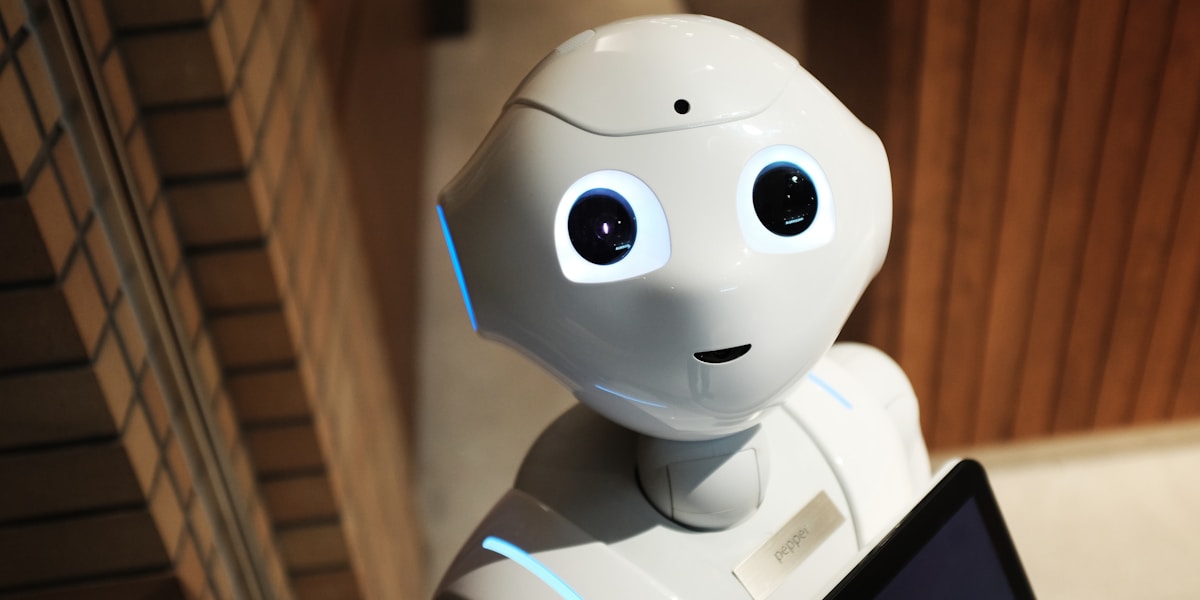
Image Source: Unsplash
Artificial Intelligence is transforming the workplace. We analyze how traditional roles are evolving and what skills will be in demand.
NEW YORK As Artificial Intelligence (AI) continues to advance, its impact on traditional job roles is becoming increasingly profound. From automation of routine tasks to augmentation of complex decision-making, AI is reshaping the workforce landscape.
The Changing Landscape
According to a recent report by the World Economic Forum, AI is expected to displace 85 million jobs by 2025, but may create 97 million new roles that are more adapted to the new division of labor between humans, machines, and algorithms.
Dr. Sarah Chen, an AI policy researcher, notes: "The key is not to fear replacement, but to focus on adaptation. Jobs that rely heavily on repetitive tasks are most at risk, while roles requiring emotional intelligence, complex problem-solving, and creativity will remain human-centric."
Key Takeaways
- Routine cognitive and manual tasks are most vulnerable to automation.
- Demand for AI specialists, data analysts, and process automation experts is surging.
- Soft skills like critical thinking and leadership are becoming more valuable.
Economic Implications
Economists predict that while the transition may be painful for some sectors, the overall productivity boost from AI could add trillions of dollars to the global economy. This growth could, in turn, fuel demand for new services and industries that don't exist yet.
"History has shown that technology creates more jobs than it destroys," says Mark Johnson, Senior Economist. "However, the speed of AI adoption is unprecedented, requiring urgent reskilling initiatives."